Your Gut Is Talking to Your Brain — and Your Pain Levels Are Listening
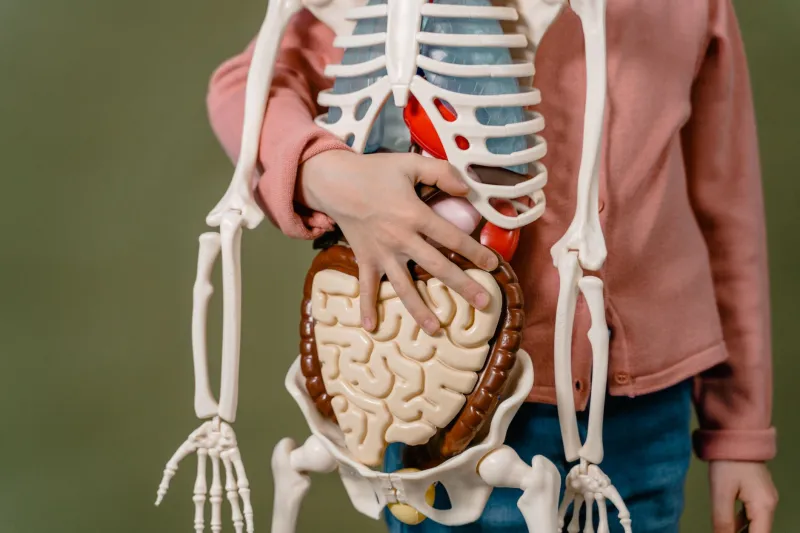
When the Stomach Speaks, the Brain Listens
Most people think of digestion as a straightforward process — food goes in, nutrients are absorbed, waste is expelled. But beneath that simple summary lies one of the most complex communication networks in the human body. The gut and the brain are in near-constant dialogue, exchanging chemical signals that influence everything from mood and memory to immune response and pain sensitivity.
This relationship, known as the gut-brain axis, is reshaping how healthcare providers in Spokane and across the country approach chronic conditions. Rather than treating pain, fatigue, or cognitive fog as isolated symptoms, forward-thinking clinicians are asking a more fundamental question: what is happening in the gut that might be driving these experiences?
For patients who have spent years cycling through treatments without lasting relief, this shift in perspective can be genuinely life-changing.
The Microbiome: A Community With Consequences
The human gastrointestinal tract is home to an estimated 38 trillion microorganisms — bacteria, fungi, viruses, and other microbes — collectively referred to as the gut microbiome. This internal ecosystem is not merely a passive resident. It actively participates in immune regulation, hormone production, neurotransmitter synthesis, and the modulation of inflammatory pathways throughout the body.
When the microbiome is in a state of balance — what scientists call eubiosis — these functions operate smoothly. But when the balance is disrupted, a condition known as dysbiosis, the consequences can extend far beyond the digestive system.
Dysbiosis has been associated with increased intestinal permeability, sometimes referred to as "leaky gut," in which the lining of the intestinal wall becomes compromised. This allows bacterial byproducts and inflammatory compounds to enter the bloodstream, triggering systemic immune responses. Over time, this low-grade, chronic inflammation becomes a driver of pain amplification, neurological disruption, and immune dysregulation — conditions that are frustratingly common among Spokane's adult population.
How Gut Health Shapes Pain Perception
The gut produces approximately 90 percent of the body's serotonin, a neurotransmitter widely recognized for its role in mood regulation but also deeply involved in pain signaling. Disruptions to microbial diversity can impair serotonin production, altering how the nervous system processes and responds to pain stimuli.
Additionally, the vagus nerve — a long cranial nerve that serves as a primary communication highway between the gut and the brain — carries inflammatory signals upward when the intestinal environment is compromised. Research published in peer-reviewed journals has demonstrated that patients with conditions such as fibromyalgia, irritable bowel syndrome, and chronic low back pain frequently exhibit altered gut microbiome profiles compared to healthy controls.
For Spokane patients managing these conditions, the implication is significant: addressing gut health may be an essential component of a comprehensive pain management strategy, not an optional add-on.
What Local Practitioners Are Observing
Across Spokane's integrative and functional health community, practitioners report a growing number of patients presenting with overlapping symptoms — chronic musculoskeletal pain, digestive irregularities, brain fog, fatigue, and mood disturbances — that do not respond adequately to conventional single-system treatment.
The emerging clinical approach involves comprehensive assessment of dietary patterns, microbiome health, inflammatory markers, and stress physiology before developing a treatment plan. Rather than asking "where does it hurt," the more productive inquiry becomes "why is the body generating this level of inflammation and pain sensitivity in the first place?"
This whole-person model aligns directly with the philosophy that guides care at integrative health centers here in Spokane — the recognition that the body's systems are deeply interconnected, and that sustainable healing requires understanding those connections rather than suppressing individual symptoms.
Practical Steps Spokane Residents Can Take
While the science of the gut-brain axis continues to evolve, there are evidence-informed lifestyle and dietary changes that residents can begin implementing now. These are not experimental interventions — they are grounded in decades of nutritional and microbiological research.
Prioritize dietary fiber from diverse plant sources. The gut microbiome thrives on variety. Consuming a wide range of vegetables, legumes, whole grains, nuts, and seeds feeds different microbial species and supports a more resilient internal ecosystem. Spokane's proximity to regional farmers markets and local co-ops makes seasonal produce both accessible and affordable.
Incorporate fermented foods thoughtfully. Yogurt with live active cultures, kefir, sauerkraut, kimchi, and kombucha introduce beneficial bacteria into the gut environment. For individuals with sensitive digestive systems, these foods should be introduced gradually and under the guidance of a healthcare provider.
Reduce ultra-processed food consumption. Highly processed foods — those high in refined sugars, artificial additives, and industrial seed oils — are consistently associated with microbiome disruption and elevated inflammatory markers. Even modest reductions in ultra-processed food intake have been shown to produce measurable improvements in gut bacterial diversity.
Address chronic stress as a physiological priority. The gut-brain axis runs in both directions. Prolonged psychological stress elevates cortisol, which directly disrupts gut barrier integrity and microbial balance. Practices such as mindfulness-based stress reduction, regular physical movement, and adequate sleep are not lifestyle luxuries — they are biological necessities for gut and pain health alike.
Evaluate the impact of medications on gut flora. Antibiotics, proton pump inhibitors, and certain pain medications can significantly alter microbiome composition. Spokane residents who rely on these medications long-term are encouraged to discuss gut-supportive strategies with their healthcare provider, including targeted probiotic supplementation where appropriate.
The Limits of Symptom Management
Conventional medicine has made remarkable advances in managing pain. But management is not the same as resolution. When the root cause of a chronic condition lies in systemic inflammation driven by gut dysfunction, no amount of symptom suppression will produce lasting relief. The underlying fire continues to burn.
This is precisely why an increasing number of Spokane patients are seeking care from providers who are willing to look upstream — to investigate the biological terrain that gives rise to symptoms rather than simply responding to the symptoms themselves. The gut-brain-pain connection is not a fringe theory. It is an area of active, rigorous scientific investigation, and its clinical implications are becoming too significant to ignore.
A Conversation Worth Having With Your Provider
If you are a Spokane resident living with chronic pain, persistent fatigue, or unexplained cognitive difficulties, and you have not yet had a conversation with your healthcare provider about gut health, now is the time to initiate one. Ask about comprehensive inflammatory panels, dietary assessment, and whether an integrative approach to your care might be appropriate.
The body is not a collection of isolated parts. It is a system — and when one part is struggling, others respond. Understanding that truth, and acting on it, may be the most important step you take toward genuine, lasting wellness.