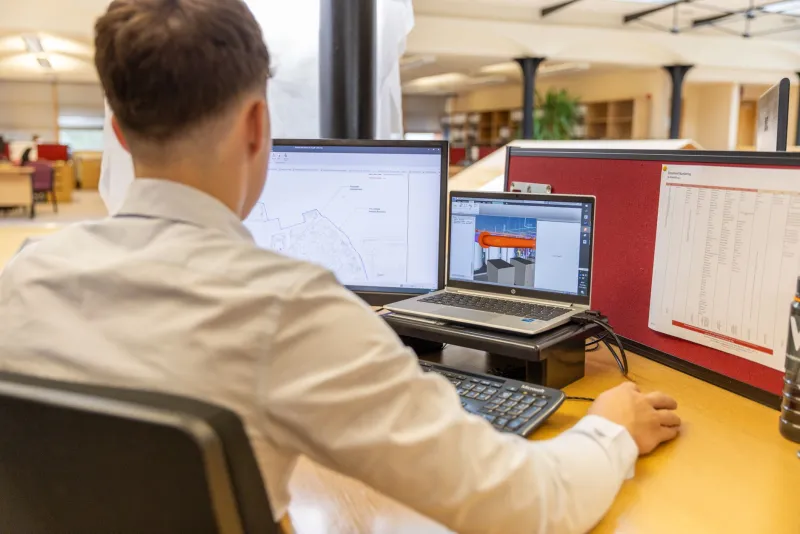
Home Office, Hidden Harm: How Spokane's Remote Work Shift Is Fueling a Neck and Shoulder Pain Crisis

A New Kind of Workplace Injury
For decades, occupational health conversations in Spokane centered on the physical demands of industries like manufacturing, construction, and agriculture. Workplace injuries were visible, acute, and largely tied to physical exertion. Then came the remote work revolution — and with it, a far more insidious category of harm.
Since 2020, a significant portion of Spokane's workforce has migrated to home offices, spare bedrooms, and dining room tables. What seemed like a practical and even liberating adjustment has, for many, quietly evolved into a daily accumulation of physical stress. Neck stiffness, persistent shoulder tension, upper back aching, and radiating arm discomfort are now among the most frequently reported complaints seen by musculoskeletal health practitioners serving the Spokane area.
The paradox is straightforward: people who left their offices to escape the rigors of a structured work environment have, in many cases, created conditions that are biomechanically worse than what they left behind.
Why Home Setups Fall Short
A conventional office, whatever its limitations, is typically designed with at least a baseline of ergonomic awareness. Adjustable chairs, monitors positioned at eye level, and dedicated desk space are standard features in most professional environments. The home office, by contrast, is often improvised.
Consider the typical Spokane remote worker: a laptop balanced on a coffee table, a kitchen chair that offers no lumbar support, or a monitor screen that sits several inches below natural eye level. Each of these arrangements forces the body into compensatory postures. The head tilts forward. The shoulders round inward. The cervical spine — the seven vertebrae that support the skull — bears load it was never designed to sustain for eight or more consecutive hours.
Clinicians refer to the forward head posture that results from this pattern as "anterior head carriage." For every inch the head moves forward from its neutral position above the shoulders, the effective load on the cervical spine increases substantially. What begins as mild tension at the base of the skull can, over months, progress into chronic pain, nerve irritation, and even structural changes in spinal alignment.
The Technology Factor
Smartphones and tablets have compounded the problem considerably. The habit of glancing downward at a handheld screen — sometimes called "tech neck" in clinical shorthand — has become so pervasive that many Spokane residents experience postural strain well before they even sit down at their home workstations. The cumulative effect of hours spent scrolling, texting, and video conferencing on mobile devices adds a significant burden to muscles and connective tissues already taxed by a full workday at a desk.
Video conferencing platforms present their own ergonomic challenges. When a camera is positioned below eye level — as is the case with most built-in laptop cameras — participants instinctively tilt their heads downward to appear centered on screen. This subtle but repeated movement, sustained across multiple daily calls, places sustained eccentric load on the posterior neck musculature. Over time, these muscles fatigue, lose their capacity to maintain neutral alignment, and begin contributing to a cycle of tension and discomfort.
Who Is Most at Risk?
While postural strain can affect any remote worker regardless of age or fitness level, certain populations within Spokane's workforce carry elevated risk. Individuals who previously relied on structured office environments for movement cues — standing to attend meetings, walking between departments, or taking scheduled breaks — often find that the home setting eliminates these natural interruptions. The result is prolonged static posture, which is among the most significant contributors to musculoskeletal dysfunction.
Workers over the age of 45 may experience symptoms more acutely, as age-related changes in spinal disc hydration and muscle elasticity reduce the body's tolerance for sustained poor posture. Those with pre-existing conditions such as cervical spondylosis, rotator cuff pathology, or prior whiplash injuries are similarly more susceptible to the compounding effects of an ergonomically deficient home workspace.
What Can Be Done: Practical Steps for Spokane Residents
The encouraging reality is that postural strain, when identified early, is highly responsive to intervention. Healthcare providers in Spokane who specialize in musculoskeletal health — including physical therapists, chiropractors, and occupational medicine physicians — are increasingly incorporating ergonomic assessment into their patient consultations. Seeking an evaluation at the first sign of persistent neck or shoulder discomfort is strongly advisable, as early treatment typically yields faster and more complete recovery.
Beyond clinical care, there are several evidence-informed adjustments that remote workers can implement immediately:
Elevate the screen. The top of a monitor or laptop screen should align with or sit slightly below eye level. Laptop stands, combined with an external keyboard and mouse, are a cost-effective solution that dramatically reduces cervical flexion throughout the workday.
Invest in appropriate seating. A chair that supports the natural lumbar curve reduces the tendency to slouch, which in turn decreases the forward migration of the head and shoulders. This does not necessarily require expensive ergonomic furniture — a supportive cushion or lumbar roll can meaningfully improve even a basic chair.
Observe the 20-20-20 principle — extended. While this guideline was originally developed for eye strain, its underlying logic applies to postural health as well. Every 20 minutes, take 20 seconds to stand, stretch the neck and shoulders, and reset posture before returning to work.
Reconsider the phone. Raising handheld devices to eye level rather than bending the neck downward to meet them is a small behavioral change with a meaningful cumulative impact.
Strengthen, not just stretch. Stretching tight muscles provides temporary relief, but building strength in the deep cervical flexors and mid-scapular muscles creates lasting postural stability. A physical therapist can design a targeted program appropriate for individual needs and fitness levels.
Spokane's Healthcare Community Is Ready to Help
The shift to remote and hybrid work is unlikely to reverse course in any meaningful way. For many Spokane residents, the home office is now a permanent fixture of professional life. That reality places a premium on proactive musculoskeletal health management — not as a luxury, but as a genuine component of long-term wellness.
Healthcare facilities serving the Spokane community are well-positioned to support this need. From ergonomic consultations and individualized physical therapy programs to workplace wellness assessments conducted via telehealth, the resources available to local residents have expanded considerably in recent years.
Pain that is ignored rarely resolves on its own. What begins as a manageable ache at the end of a workday has a well-documented tendency to become a chronic condition that affects sleep quality, concentration, mood, and overall quality of life. Addressing postural health now — before symptoms become entrenched — is precisely the kind of preventive action that defines responsible self-care.
If persistent neck or shoulder discomfort has become part of your daily experience, reaching out to a qualified healthcare provider in Spokane is a meaningful first step. The home office may have created this problem, but with the right guidance, it does not have to define your health.