Beyond the Prescription: How Touch-Based Therapies Are Transforming Patient Care in Spokane
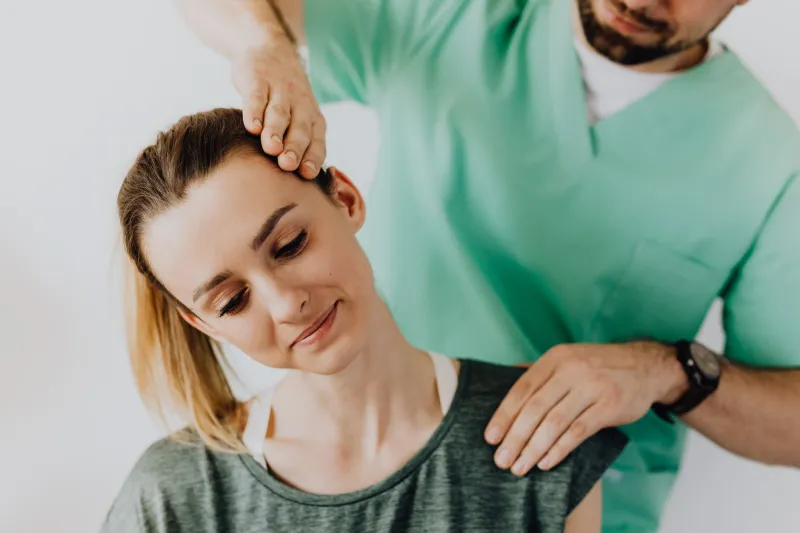
For decades, the standard model of medical care in the United States followed a familiar rhythm: a patient describes symptoms, a physician evaluates, and a prescription is written. That model is not disappearing—but it is being meaningfully supplemented. In Spokane, a growing number of patients and providers are turning toward hands-on, tactile therapeutic approaches as a first-line intervention rather than an afterthought.
This is not a wellness trend driven by social media aesthetics. It is a clinically grounded movement rooted in accumulated research, shifting patient expectations, and a broader recognition that the human body often responds powerfully to skilled, purposeful physical contact.
What Counts as a Hands-On Therapy?
The term "hands-on therapy" encompasses a wider range of disciplines than most people initially assume. Physical therapy involves structured manual techniques alongside exercise prescription to restore mobility and reduce pain. Chiropractic care focuses on spinal and musculoskeletal alignment, with licensed practitioners using precise adjustments to address mechanical dysfunction. Osteopathic manipulative treatment, performed by doctors of osteopathic medicine (DOs), integrates whole-body structural assessment into conventional medical practice. Therapeutic massage—distinct from relaxation massage—targets soft tissue dysfunction with clinical intent.
Each of these disciplines operates within a defined scope of practice, requires licensure, and maintains its own body of peer-reviewed literature. What they share is a fundamental premise: that the musculoskeletal system is deeply interconnected with overall health, and that skilled manual intervention can produce measurable therapeutic outcomes.
Why Spokane Patients Are Seeking These Services
Spokane's population faces a distinctive set of physical demands. The region's outdoor culture—hiking the Dishman Hills, skiing Mount Spokane, cycling the Centennial Trail—places real stress on joints, muscles, and connective tissue. Meanwhile, a significant portion of the workforce occupies sedentary desk environments, creating postural imbalances that accumulate quietly over years.
Patients who arrive at hands-on therapy clinics across the Spokane metro area frequently report the same frustration: they have been managing a recurring condition with medication that addresses symptoms but does not resolve the underlying mechanical problem. A runner with chronic IT band syndrome, a warehouse worker with persistent lower back tension, or an office professional experiencing cervicogenic headaches—these individuals often find that a skilled physical therapist or chiropractor can identify and address the root cause in ways that a prescription simply cannot.
There is also a matter of patient agency. Hands-on therapies tend to be interactive. Patients learn about their own bodies, receive education about movement patterns and postural habits, and are equipped with exercises and strategies they can apply independently. This participatory quality resonates strongly with health-conscious Spokane residents who prefer to understand and manage their conditions rather than simply medicate them.
What the Clinical Evidence Actually Shows
Skepticism about manual therapies has historically been warranted in some corners of the medical community, but the evidentiary landscape has matured considerably. The American College of Physicians now recommends spinal manipulation and physical therapy as first-line treatments for acute and chronic low back pain—ahead of opioid medications. A 2017 systematic review published in the Journal of the American Medical Association found that spinal manipulative therapy was associated with statistically significant reductions in both pain intensity and functional limitation.
For physical therapy more broadly, the evidence base is robust across multiple conditions: rotator cuff injuries, post-surgical rehabilitation, balance disorders in older adults, temporomandibular joint dysfunction, and pelvic floor conditions, among others. Therapeutic massage has demonstrated measurable effects on anxiety, muscle soreness, and certain chronic pain presentations.
Osteopathic manipulative treatment, practiced by fully licensed physicians who completed four-year medical school programs with additional training in manual techniques, has shown promise in managing low back pain, headaches, and even some respiratory conditions. The integration of osteopathic philosophy—viewing the body as a self-regulating, interconnected system—offers a framework that many patients find more holistic than symptom-specific pharmaceutical management.
How These Therapies Complement, Rather Than Replace, Conventional Medicine
It would be misleading to frame hands-on therapies as adversarial to conventional medicine. The most effective care models in Spokane are collaborative ones. A primary care physician who identifies a patient's chronic neck pain may refer that individual to a physical therapist, while continuing to monitor overall health. An orthopedic surgeon may recommend a structured course of manual therapy before recommending surgical intervention—and in many cases, surgery becomes unnecessary.
At Be At Hand in Spokane, the philosophy has always centered on meeting patients where they are and guiding them toward the most appropriate, evidence-informed care pathway. That sometimes means a prescription. Increasingly, it also means a referral to a skilled manual therapist who can address what medication alone cannot reach.
Integrative care models that combine primary care, physical therapy, and behavioral health support are gaining traction nationally, and Spokane's healthcare community is actively participating in that evolution. Several local clinics now employ multidisciplinary teams precisely because the evidence supports coordinated, complementary care.
Practical Considerations for Spokane Residents
For those considering hands-on therapy for the first time, a few practical points are worth noting. Most physical therapy services are covered by major insurance plans, including those offered through Washington State's exchange and employer-sponsored plans common in the Spokane area. Chiropractic care is similarly covered under many plans, though coverage limits vary. Therapeutic massage is less consistently reimbursed but is increasingly recognized as medically necessary in certain clinical contexts.
A referral from a primary care provider is not always required to begin physical therapy in Washington State, which maintains direct access provisions allowing patients to seek evaluation without a prior physician order. This removes a significant barrier and empowers residents to pursue care proactively.
When selecting a provider, credentials matter. Look for physical therapists licensed by the Washington State Department of Health, chiropractors certified by the Washington State Chiropractic Quality Assurance Commission, and massage therapists holding state licensure. Board-certified specialists—such as orthopedic-certified physical therapists or certified manual therapists—bring additional training that may be relevant depending on the condition being addressed.
The Bigger Picture
The rise of hands-on therapies in Spokane reflects something larger than a preference for one treatment modality over another. It signals a maturing understanding of what health actually requires: not merely the suppression of symptoms, but the restoration of function, the education of patients, and the treatment of the body as an integrated system rather than a collection of isolated parts.
As Spokane's healthcare landscape continues to evolve, the role of skilled, evidence-based manual therapy will only expand. For patients who have been managing pain, limited mobility, or recurring physical dysfunction without satisfactory resolution, the hands-on revolution may represent the missing component in their care.